

More Than Minerals: The Dawn of a Diversified Congolese Economy
Introduction: The Single-Story Narrative is Over
To the world, the Democratic Republic of Congo is synonymous with minerals. While this wealth is real and foundational, it is a profound oversimplification of the nation’s economic identity. Beneath the surface of this single-story narrative, a quiet revolution is underway—a deliberate and strategic push towards economic diversification. This shift is driven by the 2050 National Vision, demographic realities, and an entrepreneurial spirit that is finally finding its footing. For investors, this is the untold story: the DRC is transforming into a multi-faceted, resilient economy with opportunities that extend far beyond the mine shaft.
The Pillars of Diversification: Where Opportunity Lies
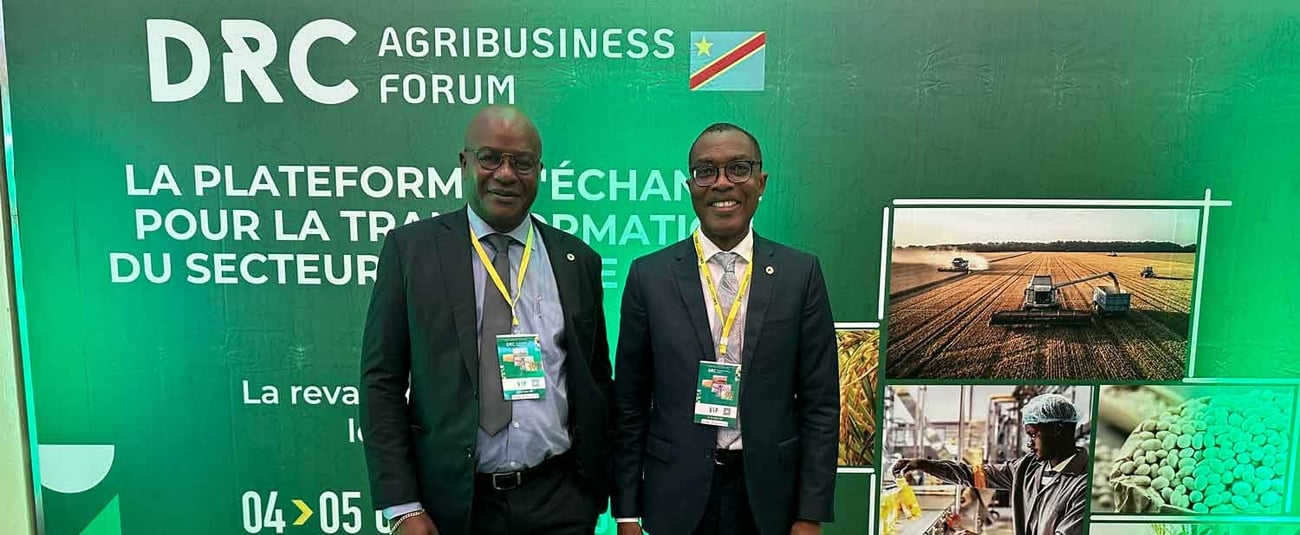
1. Agribusiness: From Food Importer to Breadbasket
The figures are staggering: over 80 million hectares of arable land, a diverse range of climates, and abundant water resources. The potential is not just to achieve food self-sufficiency but to become a major net exporter.
- Reviving Legacy Crops: The DRC was once a leading exporter of robusta coffee and high-quality cocoa. There is a massive opportunity to revitalize these sectors with modern techniques and fair-trade certifications.
- Staples and Beyond: Investing in the production of staple foods like maize, cassava, and rice for the domestic and regional market is a low-risk, high-demand venture. Simultaneously, there is growing potential for horticulture, fruits (mangoes, avocados, pineapples), and poultry farming to supply growing urban centers.
- The Full Value Chain: The real value lies in moving up the chain. Opportunities abound in processing (flour mills, fruit juicing, oil pressing), cold storage logistics, and packaging—sectors that add significant value and create local jobs.
2. Energy: Powering a Continent
The DRC’s energy potential is as vast as its mineral wealth. The iconic Grand Inga Dam project, with a potential capacity of 40,000+ MW, symbolizes a future where the DRC could power much of Africa. But the opportunities are not limited to this mega-project.
- Renewable Energy Leadership: Beyond hydropower, there is significant potential for solar, especially in the southern regions, and biomass energy. The DRC is poised to be a green energy superpower.
- Distributed Generation: There is an urgent need for smaller-scale power generation—mini-grids and solar home systems—to power rural communities, small-scale industries, and telecommunications infrastructure. This represents a vast market for innovative off-grid energy solutions.
3. Manufacturing and Logistics: Building a Self-Sufficient Economy
The reliance on imported goods presents a clear opportunity for local manufacturing.
- Import Substitution: There is a ready market for locally produced goods, from basic consumer items (soaps, detergents, bottled water) and construction materials (cement, nails, paint) to packaging and pharmaceuticals.
- Mineral Beneficiation: The most logical step for the mining sector is to begin processing minerals locally. Establishing plants for refining copper, producing cobalt salts, or cutting and polishing diamonds captures a far greater share of the final product’s value and creates skilled jobs.
- Logistics Hub: Given its size and central location in Africa, the DRC has the potential to become a major logistics and distribution hub for Central and Southern Africa. Investments in port modernization, warehousing, and freight management are critically needed.
4. The Digital Economy: Leapfrogging into the Future
With a median age under 18, the DRC has a young, digitally native population.
- FinTech Revolution: With low banking penetration, mobile money has already taken off. The next wave involves digital lending, insurance tech (InsurTech), and digital payment platforms for e-commerce.
- E-Commerce and Services: The rise of urban middle classes in Kinshasa, Lubumbashi, and Goma is creating demand for online retail, food delivery, and service marketplaces.
- IT and BPO: The growing pool of French-speaking talent presents an opportunity for the DRC to become a hub for IT services and business process outsourcing for the Francophone world.
Conclusion: The First-Mover Advantage
The diversification of the DRC’s economy is not a distant dream; it is an unfolding reality. The companies and investors who recognize this now—who look beyond the minerals and see the potential in agriculture, energy, manufacturing, and tech—will be the ones who define the next chapter of African economic growth. They will enjoy the first-mover advantage in a market of 100 million people on the cusp of a transformative boom.
Which diversified sector aligns with your investment strategy? The CCG-RDC provides deep-dive reports and connection to pioneers in these fields.