

Beyond Extraction, Towards a Legacy
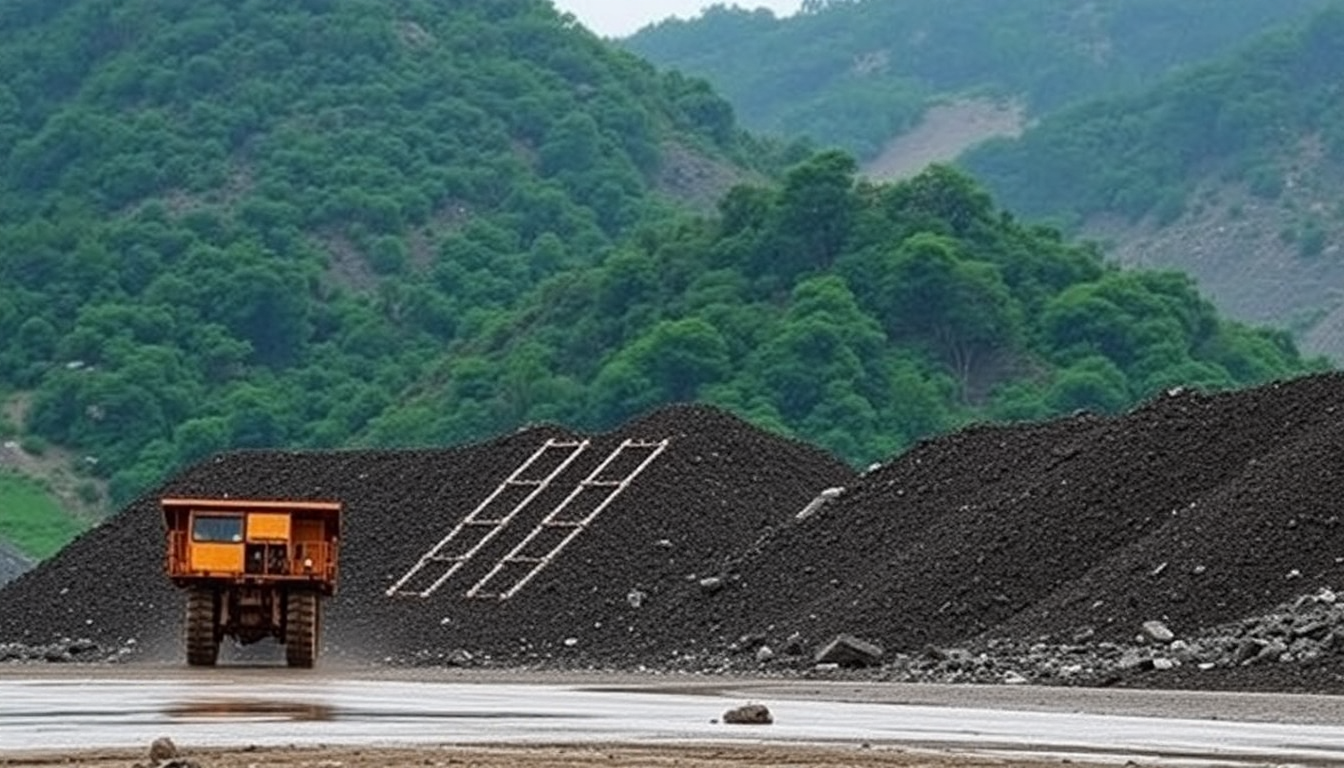
The Democratic Republic of Congo’s mineral wealth is a catalyst for global technological advancement. But for the DRC itself, this wealth must also be a catalyst for sustainable national development, environmental stewardship, and improved social welfare. The narrative around the Congolese mining sector is evolving from one of pure extraction to one of integrated, responsible, and sustainable growth. This new chapter is not just an ethical imperative; it is a strategic business advantage that attracts quality investment, ensures long-term viability, and builds a positive global reputation. This article explores the pillars of this transformation and the Chamber’s role in championing this progress.
The Three Pillars of Responsible Mining
Sustainable mining in the DRC is built on a foundation that balances three critical elements:
1. The Environmental Pillar: Minimizing the Footprint
Modern mining operations are increasingly defined by their commitment to protecting the DRC’s incredible biodiversity. Key initiatives include:
- Water Management: Implementing advanced water recycling and treatment systems to prevent contamination of rivers and watersheds.
- Land Rehabilitation: Committing to progressive rehabilitation plans, ensuring mined land is restored to a productive state for agriculture or natural habitats.
- Energy Efficiency: Exploring the use of the DRC’s vast hydropower potential to transition mining operations to greener, more sustainable energy sources, reducing their carbon footprint.
2. The Social Pillar: Investing in People and Communities
A mine’s success is intrinsically linked to the well-being of the communities that surround it. Responsible mining companies are now expected to be active partners in community development through:
- Local Employment and Procurement: Prioritizing the hiring of local labor and sourcing goods and services from local businesses to ensure economic benefits are widely shared.
- Community Development Agreements: Investing directly in local infrastructure, such as schools, healthcare centers, and clean water projects.
- Transparency and Dialogue: Maintaining open and continuous communication with local communities to address concerns and ensure they are true stakeholders in the mining projects.
3. The Governance Pillar: Ensuring Transparency and Ethics
Strong governance is the backbone of a sustainable sector. This involves:
- Combating Corruption: Adhering to international standards of transparency, such as the EITI (Extractive Industries Transparency Initiative), which the DRC is committed to.
- Formalizing Artisanal Mining: Supporting programs that integrate and formalize Artisanal and Small-Scale Mining (ASM) into the legal economy, improving working conditions and safety while traceability of minerals.
- Ethical Supply Chains: Implementing rigorous due diligence processes, in line with frameworks like the OECD Due Diligence Guidance, to ensure minerals are sourced responsibly and do not finance conflict.
The Business Case for Sustainability
Adopting sustainable practices is not just a cost of doing business; it is a sound strategic investment. It leads to:
- Reduced Operational Risk: Strong community relations minimize the risk of conflicts and work stoppages.
- Enhanced Access to Capital: Global investors and financial institutions are increasingly mandating strong ESG (Environmental, Social, and Governance) performance as a condition for funding.
- Competitive Advantage: Companies with proven responsible sourcing are preferred partners for major tech and automotive brands concerned about their own supply chain reputation.
- Long-Term License to Operate: Earning the trust of the government and local communities is the most valuable asset for any long-term mining project.
The CCG-RDC: Your Partner in Responsible Investment
The Chamber of Commerce Congolese and Industry for Gulf countries is at the forefront of promoting this new paradigm. We believe that sustainable practice and profitability are two sides of the same coin. We support our members by:
- Providing Guidance: Offering resources and expertise on navigating the DRC’s regulatory environment for environmental and social compliance.
- Facilitating Partnerships: Connecting investors with local experts in environmental management, community relations, and sustainable development.
- Promoting Best Practices: Hosting workshops and forums to share knowledge on implementing leading international standards (ISO, GRI, etc.) in the DRC context.
- Advocating for Progress: Working with government bodies to champion policies that encourage investment in sustainable and value-added mining operations.
Conclusion: Building the Future, Responsibly
The future of the DRC’s mining sector is green, ethical, and inclusive. It is a future where mineral wealth translates directly into tangible benefits for the Congolese people while powering global innovation. By embracing the principles of sustainable and responsible mining, we can ensure that the DRC’s resources become a lasting legacy of prosperity and not just a short-term gain.
Are you committed to responsible investment in the DRC’s mining sector? The CCG-RDC can help you navigate this complex and rewarding landscape with confidence.